


Growing Profits: Understanding the Economic Landscape of Corn Farming
Corn farming is a cornerstone of global agriculture, driving economies and feeding billions. This versatile crop is utilized in a multitude of sectors, including food production, animal feed, and biofuels. As the agricultural landscape evolves, the economic viability of corn farming hinges on various interconnected factors, including market dynamics, input costs, profitability, and risk management. Understanding these factors is essential for farmers, investors, and policymakers seeking to optimize corn production and ensure financial sustainability.
In this comprehensive analysis, we will explore the economic factors affecting corn farming, delve into current market trends, evaluate input costs, assess profitability metrics, and discuss the challenges and opportunities that shape the economic landscape of corn farming.
Economic Viability in Corn Farming
Economic viability in corn farming encompasses more than just the ability to cover costs and generate a profit. It involves a nuanced understanding of how market forces, input costs, and operational efficiency interact to impact financial outcomes. The ability of a farming operation to generate sufficient revenue to cover its costs and provide a reasonable return on investment is critical.

Key Components of Economic Viability
Market Trends: The supply and demand dynamics of corn significantly influence its price and profitability. Understanding global demand, supply fluctuations, and pricing trends is essential for making informed planting and selling decisions.
Input Costs: The costs associated with seeds, fertilizers, irrigation, labor, and machinery directly affect the economic viability of corn farming. Efficient management of these inputs can help maximize yields and reduce expenses.
Profitability Metrics: Evaluating profitability involves assessing yield, revenue, and cost structures. A thorough understanding of profit margins is crucial for farmers to make informed decisions about production practices and market strategies.
Risk Management: Effective risk management strategies can mitigate financial losses associated with weather events, price volatility, and market fluctuations. Farmers must adopt measures to protect their income and investment.
Market Trends in Corn Farming
Market trends are crucial in determining the economic viability of corn farming. These trends are shaped by global demand and supply dynamics, price fluctuations, and government policies.
Global Demand and Supply
Corn is a staple crop with diverse applications, including animal feed, ethanol production, and food products. The demand for corn has surged due to its essential role in livestock feed and biofuels. The increasing demand for ethanol, driven by renewable energy policies, particularly in the United States and Brazil, has significantly influenced corn prices and farming practices.
Several factors drive global demand for corn:
Livestock Feed: Corn is a primary component of animal feed, especially for poultry and swine. As the global population grows and income levels rise, meat consumption increases, boosting the demand for corn as feed.
Biofuel Production: The rise in ethanol production has created a robust market for corn. Ethanol is a renewable fuel that helps reduce greenhouse gas emissions and dependence on fossil fuels. Policies promoting biofuels have enhanced the demand for corn in major producing countries.
Food Products: Corn is used in various food products, including corn syrup, tortillas, and snack foods. The versatility of corn in food processing contributes to its steady demand.
While demand for corn is increasing, the supply side is subject to volatility. Several factors influence corn supply:
Weather Conditions: Corn is sensitive to weather conditions, and extreme events such as droughts, floods, and temperature fluctuations can significantly impact crop yields. For example, a prolonged drought can reduce soil moisture levels and impede corn growth, leading to lower yields and higher prices.
Technological Advancements: Innovations in agricultural technology, such as genetically modified (GM) seeds and improved farming practices, have enhanced productivity and resilience. High-yielding and pest-resistant hybrids can help mitigate some risks associated with weather and pests.
Geopolitical Events and Trade Policies: Geopolitical factors and trade agreements can affect corn supply and pricing. Tariffs, trade negotiations, and international relations can impact export and import dynamics, influencing domestic corn prices and availability.
Price Fluctuations
Corn prices are subject to significant fluctuations due to supply and demand imbalances. The futures market plays a vital role in determining corn prices. Price volatility can significantly impact profitability, making it essential for farmers to employ hedging strategies, such as futures contracts or options, to mitigate risks associated with price fluctuations.
Factors influencing corn price fluctuations include:
Weather Events: Severe weather conditions, such as droughts or floods, can reduce supply and drive prices higher.
Market Speculation: Speculators in the futures market can influence corn prices, sometimes causing fluctuations that do not align with fundamental supply and demand factors.
Government Policies: Changes in government policies related to agriculture, trade, and biofuels can impact corn prices. Subsidies, tariffs, and regulations can create instability in the market.

Government Policies and Subsidies
Government programs, including subsidies and support initiatives, play a significant role in the economic viability of corn farming. In many countries, including the U.S., these programs stabilize farmer income and support production, influencing planting decisions and overall profitability.
Subsidies: Financial assistance programs can help farmers manage input costs and stabilize income during periods of low prices.
Support Programs: Programs aimed at promoting sustainable farming practices and supporting rural development can also impact corn farming's economic landscape.
Regulations: Policies related to environmental sustainability, land use, and water management can affect farming practices and input costs.
Input Costs in Corn Cultivation
The costs associated with inputs such as seeds, fertilizers, water, labor, and equipment significantly impact the economic viability of corn farming. Efficient management of these inputs can help maximize yields and minimize expenses.
Seeds and Varieties
Selecting the right corn seed and hybrid variety is critical for achieving optimal yields and managing input costs. Modern corn hybrids offer various traits, including pest and disease resistance, drought tolerance, and improved yields.
High-Yielding Hybrids: While these may come with higher seed costs, they can provide better returns due to increased yields. Farmers must evaluate the cost-benefit ratio of different seed varieties to optimize investments.
Seed Selection: Farmers should consider local growing conditions, pest pressures, and expected market prices when selecting seed varieties.
Fertilizers and Soil Amendments
Fertilizers are essential for providing the nutrients necessary for optimal corn growth. The cost of fertilizers, including nitrogen, phosphorus, and potassium, can constitute a significant portion of production expenses.
Nutrient Management: Effective nutrient management practices, such as precision agriculture and soil testing, can help optimize fertilizer use and reduce costs. Precision agriculture techniques, such as variable-rate application, allow farmers to apply fertilizers based on specific field conditions and nutrient needs.
Soil Testing: Regular soil testing helps determine nutrient deficiencies and guides fertilizer application, ensuring that crops receive the right nutrients at the right time.
Water Management
Corn requires substantial water throughout its growth cycle, making effective water management critical. The costs associated with irrigation systems, including installation, maintenance, and operation, can be substantial.
Irrigation Systems: Farmers must assess their water needs based on local climate conditions, soil characteristics, and available resources. In regions with limited water availability, investing in water-saving technologies and practices can improve water use efficiency.
Innovative Technologies: Advancements in irrigation technology, such as drip irrigation and soil moisture sensors, can enhance water use efficiency and reduce long-term costs.
Labor and Machinery Costs
Labor and machinery are significant components of input expenses in corn farming. The initial investment in modern machinery, such as tractors, planters, and harvesters, can be substantial.
Automation and Efficiency: Advances in technology have led to more efficient equipment and automation, potentially reducing labor costs. GPS-guided equipment and precision planting systems can further enhance productivity and reduce the need for manual labor.
Long-Term Investment: Farmers must weigh the costs of acquiring and maintaining equipment against the benefits of improved efficiency and productivity.
Profitability in Corn Production
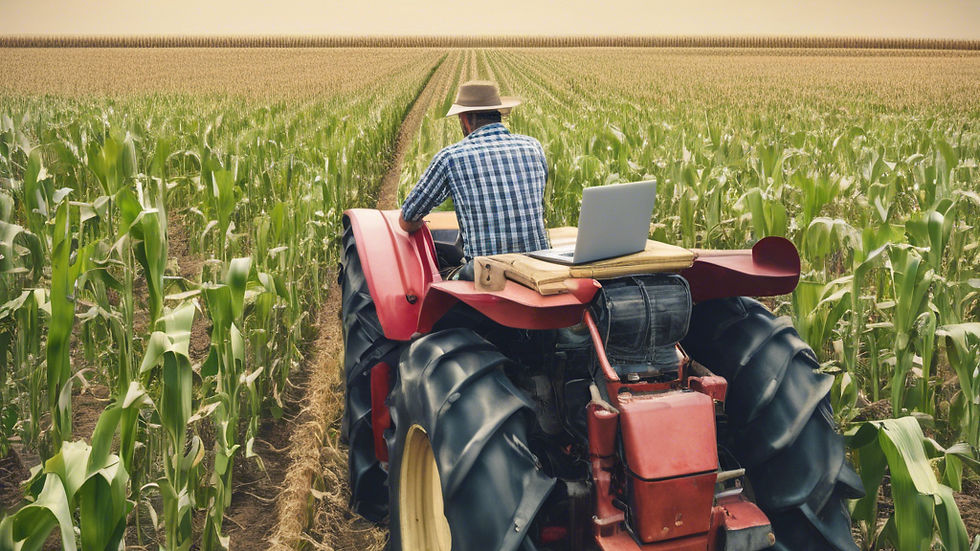
Profitability in corn farming is determined by yield, revenue, and cost structures. Farmers must continuously analyze these factors to make informed decisions about their operations.
Yield and Revenue Analysis
Corn yields play a crucial role in determining profitability. Higher yields generally translate to greater revenue, provided that market prices are favorable.
Effective Management: Achieving optimal yields requires effective management of inputs, adherence to best practices, and timely decision-making. Factors such as weather conditions, pest management, and crop rotation can impact yields.
Revenue Calculation: Profitability is calculated by subtracting total production costs from total revenue. Farmers need to conduct comprehensive cost-benefit analyses to understand the financial implications of their farming decisions.
Cost-Benefit Analysis
A thorough cost-benefit analysis helps farmers understand the financial implications of their farming decisions. This analysis involves calculating total production costs, including seeds, fertilizers, water, labor, and equipment, and comparing these costs to potential revenue based on expected yields and market prices.
Input Evaluation: Farmers must evaluate the impact of different inputs, market conditions, and yield projections on overall profitability. This analysis can inform decisions about resource allocation and production practices.
Financial Metrics: Key financial metrics, such as profit margins and return on investment (ROI), provide insights into the overall economic performance of corn farming operations.
Risk Management Strategies
Effective risk management is essential for maintaining profitability in corn farming. Farmers face various risks, including weather-related events, price volatility, pest infestations, and other uncertainties.
Crop Insurance: Crop insurance provides financial protection against losses due to adverse weather conditions, pest damage, or market fluctuations. Farmers can choose from various insurance products tailored to their specific risks.
Diversification: Diversifying crops and incorporating different agricultural enterprises can help spread financial risks. By growing multiple crops or integrating livestock production, farmers can create additional revenue streams and reduce their dependence on a single crop.
Hedging Strategies: Farmers can use financial instruments, such as futures contracts and options, to hedge against price fluctuations. These strategies can protect against sudden price drops and ensure more stable income.
Challenges in Corn Farming
While corn farming presents significant opportunities for profitability, it also faces numerous challenges that can impact economic viability.
Weather Variability
Weather variability poses a significant challenge for corn farmers. Extreme weather events, such as droughts, floods, and temperature fluctuations, can adversely affect yields and quality.
Adaptation to Climate Change: Adapting to changing climate conditions and implementing resilient farming practices are vital for managing weather-related risks. This may include selecting drought-resistant seed varieties and adopting conservation tillage practices.
Monitoring and Forecasting: Utilizing weather monitoring and forecasting technologies can help farmers make informed decisions about planting and management practices.

Rising Input Costs
Rising input costs, including fertilizers, seeds, and pesticides, place pressure on profit margins. Fluctuating market prices and increased competition can further strain profitability.
Cost Management: Farmers must continuously seek ways to improve efficiency and reduce costs. This may involve adopting precision agriculture practices to optimize input use and minimize waste.
Sourcing Strategies: Exploring alternative suppliers, bulk purchasing, and utilizing cooperative purchasing agreements can help farmers manage input costs more effectively.
Environmental Regulations
Environmental regulations aimed at reducing agriculture's impact on the environment can affect corn farming practices. Compliance with regulations regarding water usage, fertilizer application, and pesticide use requires careful planning and management.
Sustainable Practices: Implementing sustainable practices, such as conservation tillage, cover cropping, and integrated pest management, can enhance soil health and reduce input costs. These practices can also provide access to niche markets and potential financial incentives related to environmental stewardship.
Education and Training: Farmers must stay informed about changing regulations and seek education and training opportunities to ensure compliance and adopt sustainable practices.
Opportunities in Corn Farming
Despite the challenges, corn farming presents numerous opportunities for enhancing economic viability and profitability.
Technological Advancements
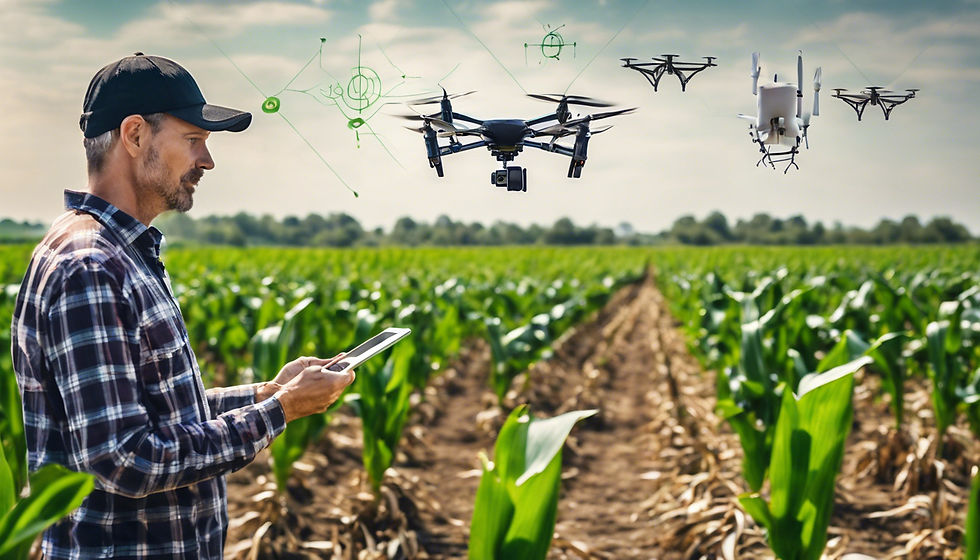
Technological advancements present significant opportunities for enhancing the economic viability of corn farming. Precision agriculture, data analytics, and remote sensing can improve decision-making, optimize input use, and increase yields.
Precision Agriculture: Utilizing technology to monitor soil conditions, weather patterns, and crop health can lead to more informed decisions about planting, fertilizing, and irrigating. These technologies can help farmers maximize yields while minimizing costs.
Data-Driven Decision Making: Analyzing data on crop performance and market conditions can help farmers make strategic decisions that enhance profitability.
Sustainable Practices
Implementing sustainable practices can enhance soil health, reduce input costs, and improve long-term economic viability. Farmers adopting sustainable practices can benefit from increased resilience to climate change and improved soil fertility.
Conservation Tillage: Reducing soil disturbance through conservation tillage practices can improve soil health, reduce erosion, and enhance moisture retention.
Cover Cropping: Planting cover crops during the off-season can improve soil fertility, reduce weed pressure, and prevent erosion. These practices can lead to more productive soils over time.
Diversification
Diversifying corn production with additional crops or livestock can help spread financial risks and create new revenue streams. Crop rotation and integration with other agricultural enterprises can improve overall farm resilience and profitability.
Intercropping: Growing corn alongside other crops, such as soybeans or legumes, can enhance soil fertility and reduce pest pressures. This approach can lead to higher overall yields and improved profitability.
Value-Added Products: Exploring value-added opportunities, such as processing corn into cornmeal, corn syrup, or ethanol, can increase profitability and create new markets.
Conclusion
The economic viability of corn farming is shaped by market trends, input costs, and profitability metrics. Understanding these factors and implementing effective management practices are crucial for optimizing production and ensuring financial sustainability.
Farmers must navigate a dynamic landscape of market fluctuations, input costs, and environmental challenges while seeking opportunities for growth and innovation. By leveraging technological advancements, adopting sustainable practices, and staying informed about market conditions, corn farmers can enhance their economic viability and capitalize on the opportunities ahead.
As the agricultural sector evolves, ongoing research, innovation, and adaptability will be key to maintaining and improving the economic viability of corn farming. By embracing improved management practices and investing in new technologies, farmers and stakeholders can proactively address challenges and seize opportunities in the ever-changing world of corn farming.
The journey toward sustainable and profitable corn farming requires collaboration among farmers, researchers, policymakers, and consumers. By working together, we can build a resilient agricultural system that supports economic viability while ensuring food security for future generations.
##Corn farming#Economic viability#Profitability#Market trends#Input costs#Yield#Supply and demand#Price fluctuations#Government policies#Subsidies#Seed selection#Fertilizers#Irrigation#Labor costs#Technological advancements#Precision agriculture#Risk management#Crop insurance#Diversification#Sustainable practices#Environmental regulations#Soil health#Revenue streams#Crop rotation#Value-added products#Weather variability#Financial analysis#Agricultural economy#Harvesting#Innovation


Comments