


Integrating ERP with CRM Systems for Improved Customer Relationship Management in Sugar and Ethanol Industries
Updated: Oct 7, 2024
In the competitive landscape of sugar and ethanol industries, effective Customer Relationship Management (CRM) plays a crucial role in fostering customer loyalty, Sugar industry ERP solutions optimizing sales processes, and driving business growth. Integrating Enterprise Resource Planning (ERP) systems with CRM platforms enhances operational efficiency, streamlines data management, and facilitates a holistic approach to customer engagement. This blog explores the benefits and strategies of integrating ERP with CRM systems specifically tailored to the sugar and ethanol industries, emphasizing how this integration of Sugar factory ERP solutions can transform customer relationship management and enhance overall business performance.
The sugar and ethanol industries operate in a dynamic market, where customer satisfaction is paramount. Building strong relationships with buyers and understanding their evolving needs is crucial for long-term success. ERP software for the sugar industry However, traditional, siloed data management can hinder effective customer relationship management (CRM).
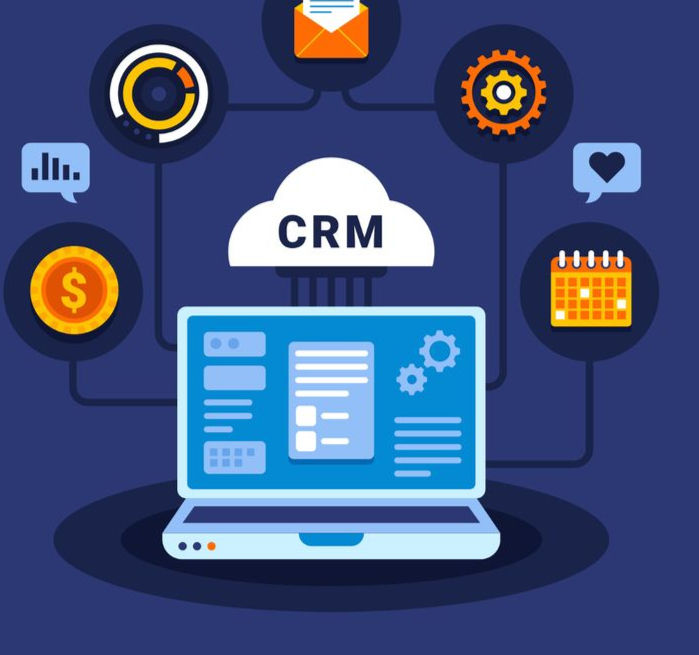
Understanding ERP and CRM Integration:
ERP systems are comprehensive software solutions that integrate core business functions such as production planning, inventory management, procurement, finance, and human resources into a centralized platform. Sugarcane sustainability On the other hand, CRM systems focus on managing customer interactions, sales pipelines, marketing campaigns, and customer service processes to improve customer satisfaction and retention.
Integrating ERP with CRM systems creates synergies by aligning operational data with customer information, providing a unified view of customers' Sugar industry ERP solutions across the organization. This integration enables sugar and ethanol manufacturers to deliver personalized experiences, optimize service delivery, and drive strategic decision-making based on customer insights.
Benefits of ERP and CRM Integration in Sugar and Ethanol Industries:
1. 360-Degree View of Customers:
Integrating ERP and CRM systems consolidates customer data, transaction histories, preferences, and interactions into a single database. Sugar factory ERP solutions This unified view enables sales teams, marketing departments, and customer service representatives to access real-time information, anticipate customer needs, and personalize interactions effectively.
Data Synchronization: Ensure seamless data synchronization between ERP and CRM systems to eliminate data silos and discrepancies, providing accurate and up-to-date customer information.
Customer Segmentation: Utilize integrated data to segment customers based on demographics, purchase behavior, and engagement patterns, enabling tSugar manufacturing ERP software targeted marketing campaigns and personalized offers.
Cross-Selling and Upselling: Leverage customer insights to identify cross-selling and upselling opportunities, recommending relevant products or services based on past purchases and preferences.
2. Streamlined Sales and Order Management:
ERP-CRM integration streamlines sales processes by automating quote generation, order processing, and inventory management. Sales teams can access real-time inventory data, pricing information, and customer credit limits within Sugar factory ERP solutions CRM interfaces, enabling faster decision-making and improved order fulfillment.
Quote-to-Cash Automation: Automate the quote-to-cash process by integrating ERP pricing and inventory modules with CRM sales pipelines, reducing manual errors and accelerating order processing times.
Order Tracking: Provide customers with visibility into order status, delivery schedules, and shipment tracking through CRM portals, enhancing transparency and customer satisfaction.
Sales Forecasting: Utilize integrated data analytics to forecast sales trends, identify demand fluctuations, and optimize inventory levels to meet customer demand efficiently.
3. Enhanced Customer Service and Support:
Integrating ERP and CRM systems enhances customer service capabilities by providing service agents with comprehensive insights into customer histories, service requests, ERP software for ethanol manufacturing and product warranties. This visibility enables proactive issue resolution, timely response to inquiries, and improved service delivery.
Case Management: Manage customer service inquiries, complaints, and support tickets within CRM systems, integrating with ERP service management modules for efficient case resolution.
Service Level Agreements (SLAs): Automate SLA monitoring and escalation processes based on integrated ERP data, ensuring compliance with the ERP system for sugar mills with service commitments and enhancing customer satisfaction.
Customer Feedback: Capture and analyze customer feedback and satisfaction ratings within CRM systems, leveraging integrated data to identify service improvement opportunities and enhance customer loyalty.
4. Operational Efficiency and Cost Reduction:
ERP-CRM integration optimizes resource allocation, reduces administrative overhead, and eliminates redundant tasks across sales, marketing, and service functions. By automating workflows and standardizing processes, sugar and ethanol manufacturers can enhance operational efficiency and achieve cost savings.
Workflow Automation: Automate routine tasks such as data entry, order processing, and report generation by integrating ERP and CRM workflows, Sugar factory ERP solutions freeing up resources for strategic initiatives.
Resource Optimization: Utilize integrated analytics to monitor resource utilization, identify inefficiencies, and implement process improvements to reduce operational costs.
Inventory Management: Optimize inventory levels and procurement processes by integrating ERP inventory controls with CRM sales forecasts and demand planning, minimizing stock outs and excess inventory costs.

Strategies for Successful ERP-CRM Integration:
1. Alignment of Business Processes:
Aligning ERP and CRM integration with business objectives and customer-centric strategies is essential for maximizing ROI and achieving seamless ERP software for ethanol manufacturing collaboration across departments. Sugar and ethanol manufacturers should engage stakeholders from sales, marketing, finance, and IT departments to define integration goals, prioritize functionalities, and ensure alignment with organizational priorities.
Cross-Functional Collaboration: Foster collaboration between departments to identify integration requirements, streamline business processes, and establish data governance policies to ensure data consistency and integrity.
Executive Sponsorship: Secure executive sponsorship and leadership buy-in to prioritize ERP-CRM integration initiatives, allocate resources, and overcome organizational barriers to adoption.
2. Selection of Compatible ERP and CRM Platforms:
Selecting compatible ERP and CRM platforms that Sugar supports seamless integration capabilities is critical for successful implementation. Evaluate vendor offerings, scalability, customization options, and support for industry-specific functionalities to ensure compatibility with sugar and ethanol manufacturing processes and regulatory requirements.
Vendor Evaluation: Conduct a thorough assessment of ERP and CRM vendors, considering their track record, industry expertise, integration capabilities, and post-implementation support services.
Proof of Concept: Conduct a proof of concept (POC) or pilot implementation to validate integration feasibility, test interoperability between Sugar factory ERP solutions ERP and CRM systems, and assess performance against predefined benchmarks.
3. Data Integration and System Configuration:
Efficient data integration and system configuration are key to establishing a unified data environment that supports ERP-CRM integration. Define data mapping protocols, establish data synchronization schedules, and implement middleware solutions or Sugar manufacturing ERP software APIs to facilitate seamless data exchange between ERP and CRM platforms.
Data Mapping and Transformation: Develop data mapping schemas to standardize data formats, resolve data conflicts, and ensure consistency between ERP and CRM data structures.
Middleware Integration: Implement middleware solutions or APIs to facilitate real-time data synchronization, event-driven triggers, and bi-directional data flows between ERP and CRM systems.
Data Quality Assurance: Implement data quality checks, validation rules, and data cleansing procedures to maintain data accuracy, completeness, Sugar mill automation software and reliability throughout the integration process.
4. User Training and Change Management:
User training and change management are crucial for fostering user adoption, maximizing system utilization, and realizing the full benefits of ERP-CRM integration. Provide comprehensive training programs, user manuals, and support resources to empower employees with the skills and knowledge needed to leverage integrated ERP and CRM functionalities effectively.
Training Workshops: Conduct training workshops, webinars, and hands-on sessions to educate users on navigating integrated ERP and Sugar factory ERP solutions CRM interfaces, performing tasks, and leveraging advanced features.
Change Management Strategies: Develop change management strategies to communicate integration benefits, address user concerns, and promote a culture of collaboration and innovation across departments.
User Feedback Mechanisms: ERP software for ethanol manufacturing Establish feedback mechanisms to gather user input, address usability issues, and continuously improve ERP-CRM integration based on user experiences and recommendations.
To illustrate the transformative impact of ERP-CRM integration in sugar and ethanol industries, consider the following case study of a leading manufacturer that successfully implemented integrated ERP and CRM systems to streamline operations and enhance customer relationship management.
ABC faced challenges with fragmented customer data, disjointed sales processes, and limited visibility into customer interactions. Implemented ERP-CRM integration to consolidate customer information, automate sales workflows, and improve service delivery across sales, marketing, and customer service departments.
Integrating Enterprise Resource Planning (ERP) systems with Customer Relationship Management (CRM) systems for sugar and ethanol manufacturers. Ethanol production management software By breaking down data silos and creating a unified customer view, this integration empowers manufacturers to provide exceptional customer service, strengthen relationships, and ultimately drive profitable growth.

Challenges of Disconnected CRM and ERP Systems:
Many sugar and ethanol manufacturers still operate with separate CRM and ERP systems. Sugarcane varieties This can lead to several challenges.
Limited Customer Visibility: Sales and customer service teams may lack access to real-time production data, order status, or logistics information stored in the ERP system. This can hinder their ability to address customer inquiries efficiently.
Inaccurate Data and Duplication: Data entry errors and inconsistencies can occur when information is manually entered into both systems. ERP system for sugar mills This leads to a lack of reliable data for customer segmentation, targeted marketing campaigns, and forecasting future demand.
Inefficient Communication and Collaboration: Disconnected systems create communication gaps between sales, production, and customer service teams. This can lead to Ethanol production management software delays in order fulfillment, misunderstandings with customers, and missed opportunities.
Benefits of Integrating ERP and CRM Systems:
Integrating ERP and CRM systems breaks down data silos, creating a unified platform that offers several advantages for sugar and ethanol manufacturers.
Enhanced Customer Visibility: Sales and customer service teams gain real-time access to customer order history, production schedules, inventory levels, Sugar ERP and delivery status information. This allows them to provide accurate updates, address concerns promptly, and personalize interactions.
Imagine a scenario where a customer inquires about the delivery timeline for a large ethanol order. With integrated systems, the salesperson can instantly access the ERP system and communicate the exact production and delivery schedule, exceeding customer expectations.
Improved Data Accuracy and Consistency: Data is entered into a single system, eliminating the risk of errors and inconsistencies. This ensures accurate customer Sugar manufacturing ERP software profiles, order details, and historical data for better forecasting and strategic decision-making.
Streamlined Communication and Collaboration: Integration fosters seamless communication between all customer-facing departments. Sales teams can collaborate with production and logistics teams to ensure timely order fulfillment, and customer service Ethanol industry ERP solutions can readily address customer issues with accurate information from the ERP.
Integrated systems can facilitate automated notifications to sales teams when new orders are placed, and production teams can be informed of any customer service issues that may impact production schedules. This fosters a more collaborative and customer-centric approach.
Enhanced Customer Service: With a 360-degree view of the customer, manufacturers can offer a personalized and responsive customer service experience. Sugar factory ERP solutions This strengthens customer relationships, fosters brand loyalty, and ultimately drives repeat business.
By leveraging customer purchase history and preferences, integrated systems can personalize sales interactions and offer targeted product recommendations. Additionally, service teams can proactively address potential issues based on historical data, Best ERP in the sugar Industry demonstrating a commitment to customer satisfaction.
Improved Sales and Marketing Strategies: Sales teams gain valuable insights into customer purchasing trends, allowing them to tailor marketing campaigns and promotions accordingly. This data can also highlight new market opportunities or customer segments to target.
Integrated systems can analyze customer buying patterns and identify potential upsell or cross-sell opportunities. For instance, a sugar producer can identify ethanol buyers who consistently purchase large quantities and Sugar factory ERP solutions offer them customized pricing or volume discounts.
Choosing the Right Integration Approach:
Several integration approaches can be considered, depending on your specific needs and budget:
Point-to-Point Integration: This involves a direct connection between the Sugar industry economics ERP and CRM systems, allowing data exchange between specific modules.
Data Warehousing/Data Lake: A central data repository can be created to house data from both systems for comprehensive analysis and reporting.
API Integration: Application Programming Interfaces (APIs) can be used to facilitate communication between the systems, allowing for real-time data exchange.

Getting Started with ERP & CRM System Integration:
Here are some key steps to consider before embarking on your ERP and ERP system for ethanol plants CRM system integration journey:
Identify Your Needs: Clearly define your goals for integrating the systems. Are you aiming to improve customer service, streamline sales processes, or gain better market insights?
Evaluate Existing Systems: Assess the compatibility of your current ERP and Sugar CRM systems. Some vendors might offer pre-built connectors, while others may require custom integration solutions.
Conclusion:
Integrating ERP with CRM systems represents a strategic imperative for sugar and ethanol manufacturers seeking to enhance customer relationship management, optimize sales processes, and drive business growth. By consolidating customer data, streamlining operations, and empowering employees with actionable insights, Sugarcane yield ERP-CRM integration enables manufacturers to deliver personalized customer experiences, improve operational efficiency, and maintain competitive advantage in a dynamic marketplace.
As these industries embrace digital transformation and prioritize customer-centric strategies, investing in ERP-CRM integration initiatives can unlock significant benefits, including increased revenue opportunities, reduced costs, and enhanced customer loyalty. By aligning business processes, selecting compatible platforms, ERP software for ethanol manufacturing and fostering cross-functional collaboration, sugar and ethanol manufacturers can leverage integrated ERP and CRM systems to achieve sustainable growth, operational Best ERP in sugar Industry excellence, and customer-centric innovation in an increasingly competitive global economy.


Comments