


Solar dryers for corn drying in Ethanol Production
Updated: Nov 23, 2024
In the context of our current environmental crisis and the imperative shift toward sustainable practices, solar dryers have emerged as a ground breaking technology with the potential to significantly impact the field of agriculture, particularly in corn drying for ethanol production. This extensive exploration delves deeply into the role and benefits of solar dryers, examining how they leverage solar energy to transform the corn drying process, enhance the efficiency of ethanol production, and contribute to a more sustainable and eco-friendly future. By understanding the intricacies of solar drying technology, its various components, environmental impact, and economic implications, we gain a comprehensive view of how this innovation is reshaping both the agricultural and energy sectors.
The Pivotal Role of Solar Energy in Advancing Sustainable Agriculture:
Solar energy stands at the forefront of the global shift toward renewable energy sources, providing a clean and inexhaustible resource that can be harnessed for a myriad of applications. The utilization of solar energy can be divided into two primary technologies: solar thermal systems and photovoltaic (PV) systems. Solar thermal systems convert sunlight directly into heat, which can be employed in various applications, including drying processes. On the other hand, photovoltaic systems convert sunlight into electricity, which can power components of solar drying systems and other technological devices.
Harnessing solar energy is critical for reducing our reliance on fossil fuels, which are both finite and environmentally damaging. Fossil fuels contribute significantly to greenhouse gas emissions, exacerbating global warming and climate change. By transitioning to solar power, industries can lower their carbon footprint, mitigate the adverse effects of climate change, and move towards a more sustainable and renewable energy future. Solar energy's role in advancing sustainable agriculture is particularly noteworthy, as it offers a practical solution to energy-intensive processes such as corn drying.
The Crucial Importance of Corn Drying in Ethanol Production:
Corn drying is an essential process in the production of ethanol, a renewable biofuel derived from the fermentation of plant materials. Ethanol serves as an alternative to traditional fossil fuels and is a critical component of efforts to reduce greenhouse gas emissions and promote energy sustainability. The quality and efficiency of ethanol production are closely linked to the condition of the corn used in the process. Corn must be dried to a specific moisture level to ensure optimal fermentation and high ethanol yield.
Exploring Solar Dryers: Innovations, Technologies, and Benefits:
Solar dryers represent a significant advancement in drying technology, utilizing solar energy to remove moisture from corn and other crops. These systems vary in design and complexity, ranging from simple passive dryers to sophisticated active and hybrid systems. Understanding the different types of solar dryers, their components, and their benefits provides valuable insight into how they contribute to more efficient and sustainable drying practices.
Types of Solar Dryers:
Passive Solar Dryers:
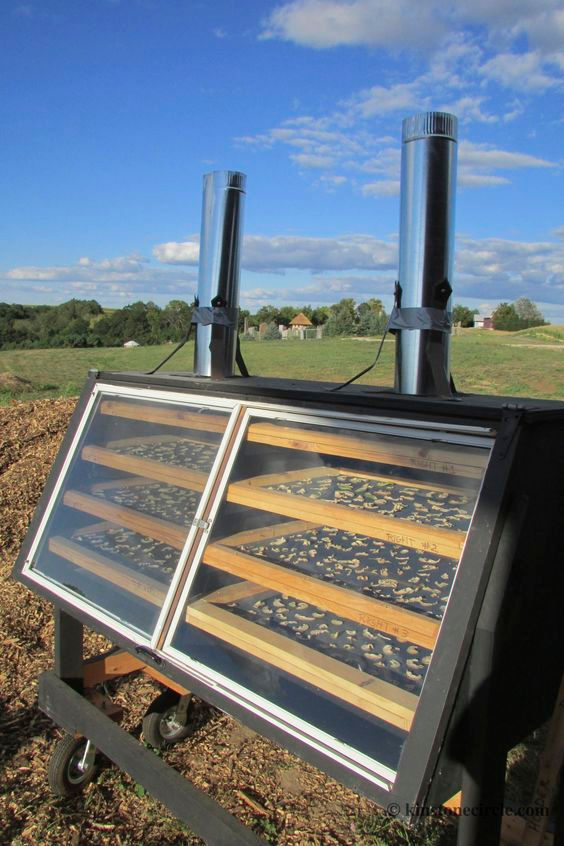
Passive solar dryers are the most basic and cost-effective type of solar drying system. They rely on natural convection and the greenhouse effect to capture and utilize solar energy for drying purposes. Key features of passive solar dryers include:
Solar Collectors:
Passive solar dryers typically employ flat-plate collectors that absorb sunlight and convert it into heat. The collected heat is then transferred to the drying chamber where the corn is placed.
Drying Chamber:
The drying chamber is designed to maximize exposure to the heated air and sunlight. Corn is spread out within this chamber to facilitate moisture removal.
Ventilation:
Passive solar dryers are well-suited for small-scale operations and regions with consistent sunlight. They are relatively low-cost and easy to build, making them accessible for individual farmers or small-scale producers. However, they may have limitations in terms of drying capacity and efficiency compared to more advanced systems.
Active Solar Dryers:
Active solar dryers employ mechanical means to enhance the drying process, such as fans and pumps that improve air circulation and heat transfer. These systems offer several advantages over passive dryers:
Photovoltaic Panels:
Active solar dryers often incorporate PV panels that generate electricity from sunlight. This electricity powers fans, sensors, and other components, enabling greater control and automation of the drying process.
Improved Heat Transfer:
Active solar dryers typically feature better heat distribution and air flow compared to passive systems. This results in more efficient drying and improved performance.
Automation and Control:
Advanced active solar dryers include automated controls that adjust drying parameters based on real-time environmental conditions. This ensures consistent and effective drying.
Active solar dryers are more suitable for larger-scale operations and can be customized to meet specific drying needs. They offer improved efficiency and performance, making them a valuable option for commercial-scale ethanol production.
Hybrid Solar Dryers:
Hybrid solar dryers combine solar energy with other renewable resources, such as wind or biomass, to ensure a more consistent and reliable drying process. These systems address the variability of solar radiation and provide several benefits:
Supplementary Energy Sources:
By integrating additional energy sources, hybrid dryers can maintain reliable operation even during periods of low solar availability. This ensures continuous drying even in less favorable weather conditions.
Increased Reliability:
Hybrid systems provide a more stable drying process, reducing the risk of incomplete drying or spoilage. This enhances the overall effectiveness of the drying operation.
Versatility:
Hybrid solar dryers can be tailored to various applications and environmental conditions, making them suitable for diverse drying requirements.
Hybrid solar dryers represent a versatile and reliable solution for large-scale and commercial drying operations. They offer enhanced performance and efficiency, making them an attractive option for ethanol producers seeking consistent and high-quality results.

Key Components of Solar Dryers and Their Functions:
The effectiveness of solar dryers relies on several key components, each playing a crucial role in optimizing the drying process. Understanding these components helps in appreciating how solar dryers work and their benefits:
1. Solar Collectors:
Solar collectors are essential for capturing and converting solar radiation into thermal energy. The type of solar collector used can significantly impact the efficiency of the drying system:
Flat-Plate Collectors: Flat-plate collectors are a common feature of passive solar dryers. They consist of a flat surface covered with a transparent cover that allows sunlight to enter. The collectors absorb sunlight and convert it into heat, which is then transferred to the drying chamber.
Evacuated Tube Collectors: Evacuated tube collectors are more advanced and efficient than flat-plate collectors. They consist of a series of glass tubes with a vacuum inside, which minimizes heat loss and enhances performance. These collectors are used in active solar dryers and are effective in a wider range of weather conditions.
2. Photovoltaic Systems:
Photovoltaic systems are integral to active solar dryers, generating electricity from sunlight to power various components:
PV Panels:
PV panels convert sunlight into electricity, which can be used to power fans, sensors, and other electrical components of the drying system. This integration enables greater control and automation of the drying process.
Battery Storage: Batteries store excess electricity generated by PV panels, ensuring a continuous power supply for the drying system even during periods of low solar radiation or at night.
3. Heat Transfer Mechanisms:
Efficient heat transfer is crucial for uniform drying and optimal performance of the solar dryer:
Air Ducts:
Air ducts facilitate the movement of heated air from the solar collector to the drying chamber. Proper design and placement of air ducts ensure even distribution of heat throughout the drying chamber.
Thermal Storage Systems:
Thermal storage systems store excess heat generated during peak sunlight hours. This stored heat can be used to maintain drying temperatures during periods of lower solar radiation, ensuring consistent drying conditions.
Heat Exchangers:
Heat exchangers improve the efficiency of heat transfer between the solar collector and the drying chamber. By optimizing heat exchange, these systems enhance the overall performance of the dryer.
Environmental Impact and Sustainability of Solar Dryers:
The environmental benefits of solar dryers extend beyond their role in reducing energy consumption. By replacing fossil fuels with solar energy, solar dryers contribute to a cleaner and more sustainable agricultural sector. The following sections outline the key environmental advantages of solar drying technology:

Key Environmental Benefits:
Reduced Greenhouse Gas Emissions:
Solar dryers significantly lower carbon emissions by eliminating the need for fossil fuels. By shifting to solar energy, the agricultural sector can reduce its carbon footprint and contribute to global efforts to combat climate change.
Lower Energy Consumption:
Solar dryers harness the sun’s energy, which is abundant and free. This reduces reliance on energy-intensive fossil fuels, leading to cost savings and a decreased environmental impact. By utilizing renewable solar energy, solar dryers help reduce overall energy consumption and promote resource efficiency.
Enhanced Resource Efficiency:
Solar drying supports sustainable agriculture by utilizing renewable resources and reducing waste. This approach aligns with principles of circular economy and resource efficiency. By improving the efficiency of drying processes, solar dryers contribute to more sustainable and responsible agricultural practices.
Innovations in Solar Drying Technology:
Hybrid Systems for Consistency:
Hybrid solar dryers combine solar energy with other renewable resources to ensure a consistent and reliable drying process. These systems address the challenge of variable solar radiation and offer enhanced performance. By integrating supplementary energy sources, hybrid systems provide a stable drying environment even during periods of low solar availability.
Advanced Materials for Efficiency:
Research into new materials for solar collectors and heat transfer systems is improving the efficiency of solar dryers. Innovations such as high-performance coatings and advanced thermal storage materials enhance heat absorption and retention. These advancements contribute to more efficient and effective drying processes.
Smart Automation and Control:
The integration of smart control systems allows for real-time monitoring and optimization of the drying process. Automation can adjust drying parameters based on environmental conditions, ensuring consistent and high-quality results. Smart technology enhances the efficiency and performance of solar dryers, making them more adaptable and responsive to changing conditions.

Detailed Cost-Benefit Analysis:
Initial Investment:
Although the initial cost of solar dryers may be higher than traditional methods, the long-term savings in energy costs and reduced operational expenses make them a financially viable option. Government incentives and subsidies can further offset the initial investment, making solar dryers more accessible to producers. Financial analysis of solar drying systems demonstrates their potential for long-term cost savings and return on investment.
Operational Savings: Solar dryers reduce reliance on expensive fossil fuels and lower energy consumption, leading to significant operational savings. These savings can enhance the profitability of ethanol production by reducing overall production costs. The economic impact of operational savings is reflected in improved profit margins and increased competitiveness in the market.
Increased Ethanol Yield:
Properly dried corn results in higher ethanol yield, positively impacting the profitability of ethanol production. Efficient drying methods ensure that the corn is processed effectively, maximizing ethanol output and improving economic viability. The correlation between efficient drying and increased ethanol yield highlights the value of solar dryers in enhancing production efficiency.
Conclusion:
The integration of solar dryers for corn drying in ethanol production represents a significant leap towards a more sustainable and eco-friendly industry. By harnessing renewable solar energy, these systems reduce carbon emissions, enhance energy efficiency, and contribute to the long-term viability of ethanol as a renewable fuel.
Embracing solar drying technologies is not just about addressing current energy needs; it is about committing to a more sustainable and environmentally responsible future. As technology continues to advance and innovation drives progress, solar dryers will play a crucial role in transforming the ethanol production industry. By investing in and adopting these technologies, we can address today’s environmental challenges and pave the way for a greener, more prosperous future for generations to come.
The shift to solar drying represents an opportunity for the ethanol industry and agriculture to achieve significant strides toward sustainability. By adopting solar dryers, we are not only enhancing the efficiency of ethanol production but also contributing to a more sustainable and resilient global food system. Through continued innovation and commitment to renewable energy, we can create a future where agriculture and energy production coexist harmoniously with the environment, ensuring a brighter and more sustainable future for all.
#SolarInAgriculture #InnovativeFarming #EnergyEfficiency #CostEffectiveDrying #SustainableSolutions #OptimizedProcessing #RenewableDryingMethods


Comments